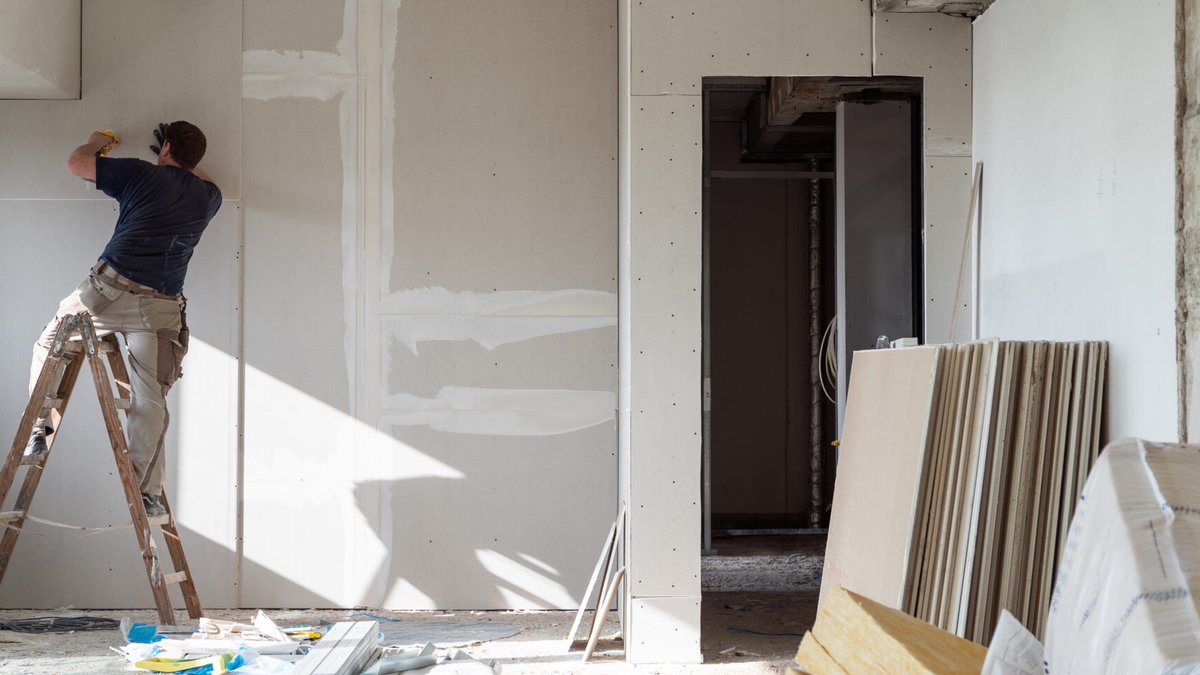
In 2025, the cost of renovating a home is not decreasing. As material prices rise and tariffs fluctuate, homeowners who are planning projects are facing increasingly tight budgets. Regardless of whether the project requires lumber, metal, or finishing materials, postponing the work could result in higher costs in the future.
Core Material Price Increases
A research team from Today’s Homeowner examined the Producer Price Index (PPI) data from the Bureau of Labor Statistics (BLS), comparing figures from 2020 to April 2025. The PPI data indicates the wholesale prices that suppliers and manufacturers charge, serving as a potential indicator of future consumer prices.
The analysis revealed that the most significant price increases for common home renovation materials occurred between 2021 and 2022, with an average increase of 17.0%, and the preceding year, with a 16.2% increase. As of early 2025, prices continue to rise, with a 1.7% increase year to date. Nearly all common home renovation materials have become more expensive, suggesting that delaying projects may lead to higher costs for homeowners.
Aluminum products, including mill shapes used in windows, siding, and garage doors, experienced the steepest price increase, rising 17.9% since April 2024. The costs of aluminum have surged internationally and domestically, driven in part by supply constraints and new tariffs. Decorative and infrastructure upgrades have also seen significant price increases, with steel and aluminum used for fences, gates, and railings rising 16.7% over the past year and 55.0% since 2020.
Softwood lumber prices increased 8.6% between April 2024 and early 2025, reversing previous yearly declines. However, some materials have remained steady or decreased in cost over the past year. Sawn wood fence stock and wood lath, used in wood fencing, cabinetry, and flooring, showed no change, while plywood experienced the largest decline, dropping 3.8%.
Jordan Fleming, owner of That HVAC Guy & Plumbing in Wyndmoor, Pennsylvania, said that aluminum and steel prices are up, and those are the bones of almost every HVAC system.
Managing Rising Renovation Costs
Homeowners undertaking various home renovation projects often rely on the same core materials, many of which are becoming more expensive. The metal products category saw the steepest overall increase at 5.5%. Other essential home renovation materials, such as concrete products, roofing materials, and cut stones like granite and marble, have also experienced increases, with rises of 2.3%, 1.2%, and 1.5%, respectively. Drywall and insulation both saw increases of just under 4%.
In addition to core materials, specialized materials have also seen notable price increases since April 2024. Steel and aluminum used in fences, gates, and railings climbed 16.7% and have increased in cost by 55.0% since 2020. Prices for power wires and cables used in electrical systems have risen 7.0% year over year and 127.5% since 2020. Other metal-based materials, such as steel pipes, have increased by 4.1%, while metal doors and frames rose by 4.4%, and metal windows saw a modest increase of 1.7%.
Homeowners looking to update their lighting fixtures or add a fresh coat of paint are also facing higher costs. Residential lighting fixtures increased 3.1%, while paint saw a minimal rise of 0.9%. Although most renovation materials are becoming more expensive, some have remained steady or decreased in price. Sawn wood fence stock and wood lath, as well as unitary air conditioners, showed no change. Millwork, including decorative woodwork, decreased by 0.2%, while plywood experienced the largest price drop, falling 3.8%. Flat glass and plastic construction products also saw slight decreases, of 0.4% and 1.9%, respectively. Steel nails and pipes decreased by 1.8%.
Danny Niemela, vice president of ArDan Construction in Scottsdale, Arizona, said that an even two-week delay can cost 5% to 8% more, and that once a materials list is final, they get everything ordered. Ordering materials early is a cost-saving measure that can help stay on budget, especially if prices continue to rise. Nathan Mathews, CEO of Texas-based Roofer.com, said that they had three Austin-area clients this quarter downgrade from architectural shingles to three-tab asphalt just to stay under a $10,000 limit.
