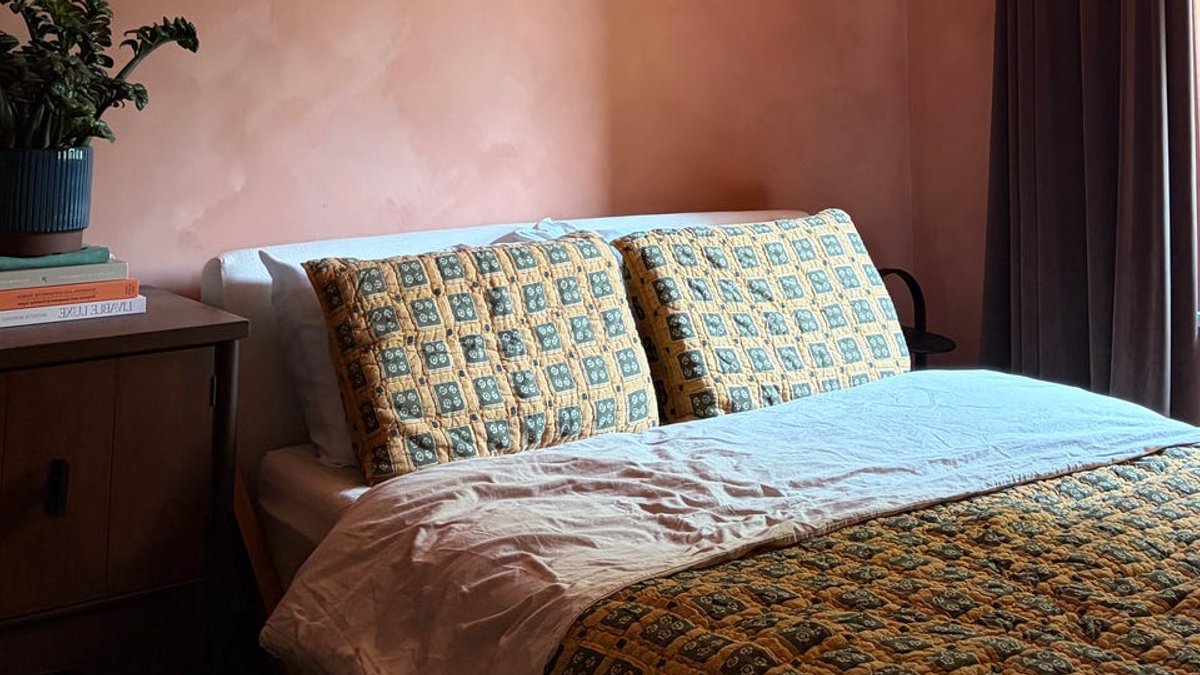
When the author moved into a new home, they turned to limewash—a mineral‑based paint made from limestone—to add color without the chemicals of traditional acrylics. The technique, praised for its chalky, textured finish, promised an eco‑friendly way to give rooms personality.
Choosing Materials and Preparing the Space
The first step was research. After learning that limewash requires a different approach than regular paint, the homeowner measured room square footage and selected three hues—Blue Fog, Pamplemousse, and Wabi—from a Brooklyn showroom. Both Portola Paints and Color Atelier were considered, but the latter’s local presence and sample boards swayed the decision.
Tools mattered, too. Limewash’s watery consistency demands a block brush that holds paint without dripping, so two 5‑inch brushes and a round brush were bought directly from the same retailer. The paint comes with wooden stir sticks; because the mineral particles settle, periodic stirring is essential.
Related: Modern kitchens lack key smart home feature
Preparation took longer than the painting itself. The team taped baseboards, door trim, and outlets with FrogTape, opting for the yellow version that peeled cleanly. Plastic sheeting protected hardwood floors, and all furniture was moved out of each room. For the guest room, a ladder was needed to reach the ceiling, and the painters coordinated work from opposite ends to keep the X‑pattern—recommended by the paint supplier—consistent.
Applying Limewash in the Guest Room
Blue Fog covered the largest space. Over two days, the crew spent roughly 15 hours brushing the paint in large X shapes, spreading the color outward while it was still wet. The first coat dried overnight; a second coat followed the next day. Though the process caused wrist fatigue and neck strain, the limewash proved forgiving—excess paint or uneven strokes added “character” rather than flaws.
When the paint fully dried, the room displayed a serene, cloudy texture that the author likened to a “misty” atmosphere. White trim provided contrast, highlighting the blue while keeping the overall look cohesive.
In the primary bedroom, a risk was taken with Pamplemousse, a pink‑orange limewash. After a weekend of work, the eggshell‑white baseboards clashed with the new hue. To resolve this, a visit to the paint store secured a custom‑matched trim color, then a brief third session applied it. The final effect evoked Mediterranean tones, reminiscent of Amalfi‑Coast homes, and the textured walls softened the bright shade.
Related: Homeowners Should Only Trust Professional Glass Window Companies
The office received the neutral Wabi, described as a “soft off‑white with a hint of umber.” Two paint strengths—full and diluted—were layered to achieve a subtle cloud pattern. An unexpected brush break required improvisation, but the result offered a quiet backdrop for video calls and earned praise from visitors.
Comparing this project to earlier experiences with standard acrylic paints shows a clear shift: limewash demands more time and patience, yet the resulting texture and depth differ markedly from flat, uniform finishes. Earlier rooms, painted with conventional colors like Sherwin‑Williams Waterloo, lacked the organic irregularities that limewash provides.
Two years later, the homeowners report no regrets. All three rooms retain distinct personalities, and the effort invested has become a point of pride during tours. The process, while labor‑intensive, proved rewarding, especially when friends and family notice the unique walls. The experience even inspired a sibling to try limewashing, indicating a ripple effect of DIY enthusiasm.
