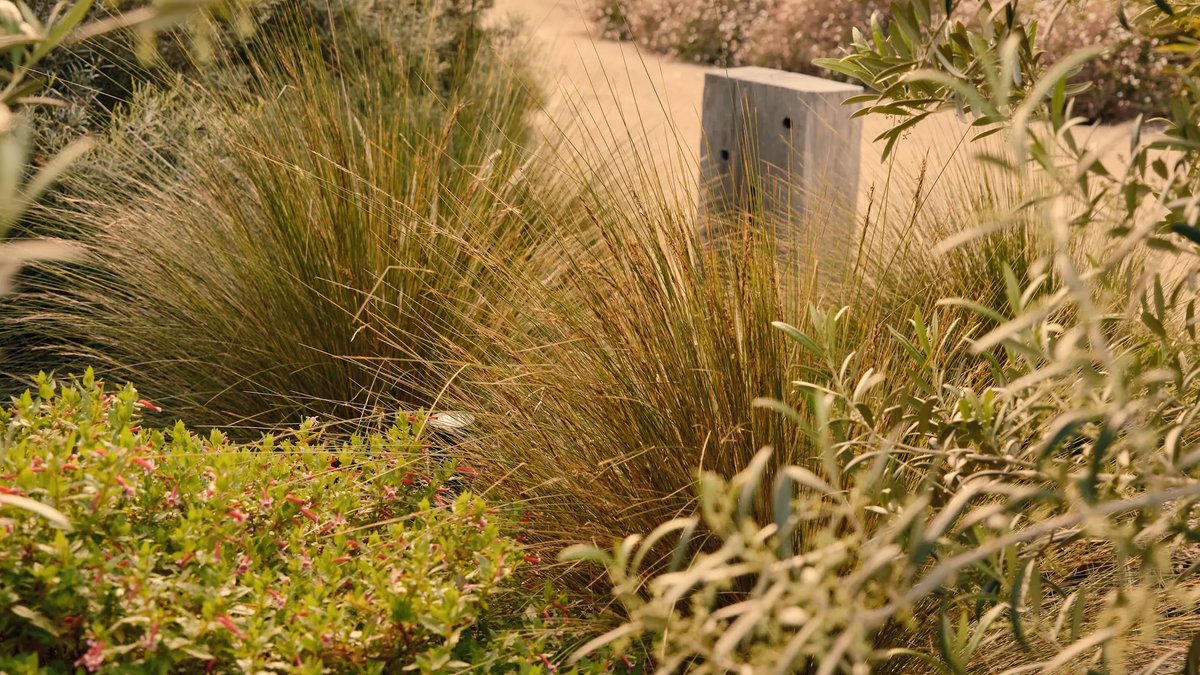
Coastal gardens thrive with a relaxed, resilient approach, blending shelter, hardy plants, and a sense of ease. Environment designer Phillip Withers shares insights on crafting gardens that incorporate coastal wildness while enduring its challenges. Thoughtful planning at this stage sets the foundation for a garden that works with the site and the lifestyle of its users, ensuring a harmonious blend of functionality and aesthetics.
What Defines a Coastal Garden?
Coastal gardens are shaped by an ever-changing environment that engages all senses, particularly through strong winds. Views, aspect, and topography play a role, but it’s the coastal conditions, wind, salt-laden air, shifting light, and ocean sounds, that truly characterize them. These settings undergo significant transformations across seasons, supporting a constantly evolving atmosphere. By observing native flora and fauna, you can gain insight into what naturally thrives, inspiring plant selection and design/layout choices that align with the local ecology.
The unique conditions demand a strong understanding of site and horticulture. Coastal soils are often sandy and free-draining, struggling to retain moisture and nutrients. Thorough soil preparation is critical, incorporating organic matter and applying mulch to improve water retention and suppress weeds. This foundational step is essential for creating a healthy environment where plants can flourish despite the challenging conditions.
Planting Strategies for Coastal Conditions
Persistent winds can dry out foliage and stunt growth, requiring thoughtful planning. Wind-tolerant plants act as shields for more delicate varieties, helping the garden establish its own microclimate. Plant selection is key, with species like succulents and grasses offering structure and movement. Succulents provide form and resilience, while grasses add softness and sway gracefully in the breeze, enhancing the garden’s dynamic nature.
When designing, balance soft and hardscape elements to work with natural conditions. Thoughtful placement of paths, seating, and structures creates functional zones that connect indoors and outdoors, ensuring the garden remains enjoyable year-round. Spending time in the space to understand wind patterns, sunlight, and shade helps in crafting a garden that harmonizes with its surroundings rather than fighting against them.
Sustainability and Sensory Rewards
Coastal gardens can be remarkably water-efficient when designed thoughtfully. By using native and well-adapted plants, these environments often become drought-tolerant once established, requiring minimal irrigation. This approach creates resilient, sustainable gardens that flourish in harsh conditions, reducing the need for excessive water use and maintenance.
