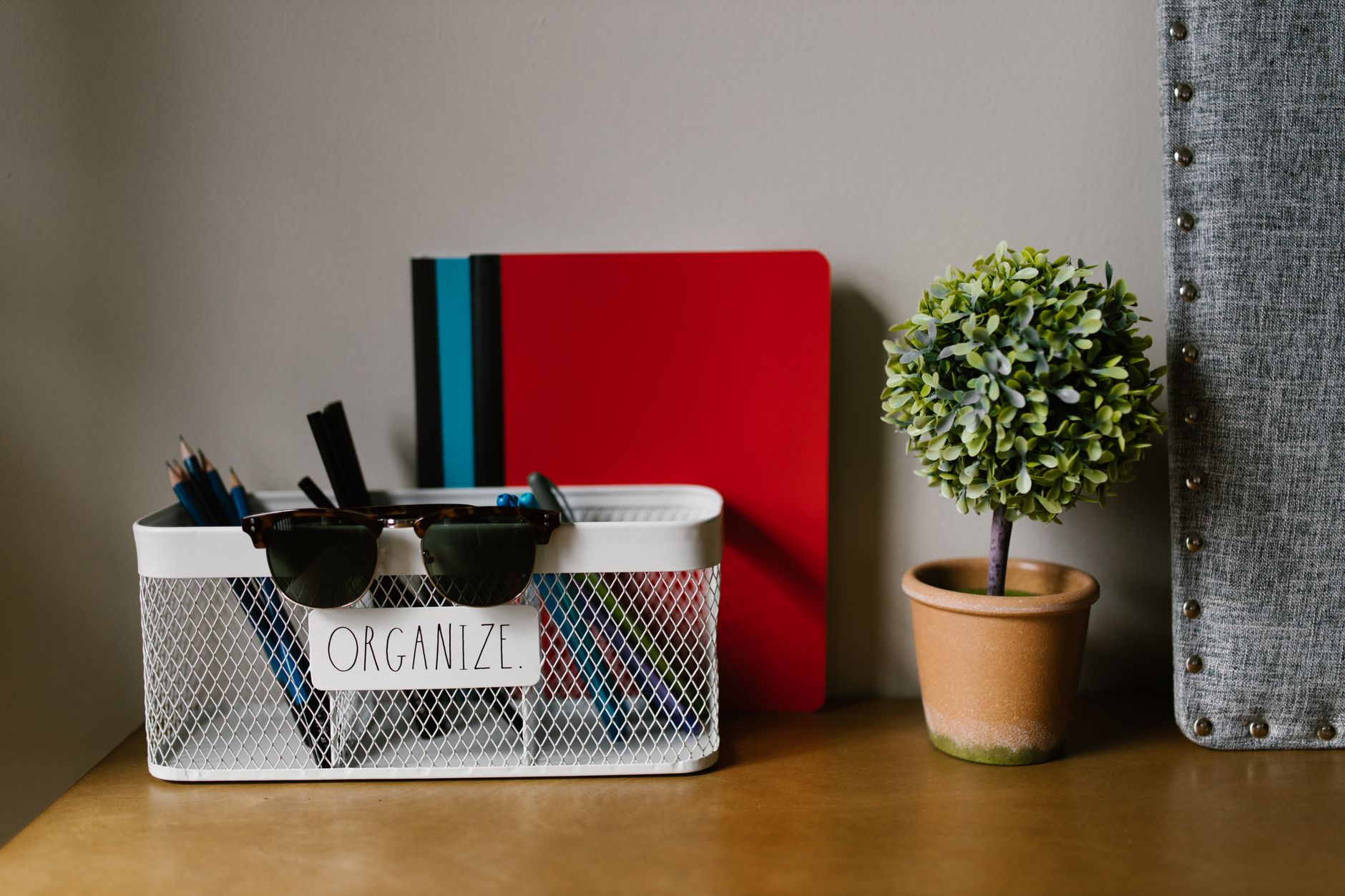
Professional organizers often share tips on how to tame clutter, but the habits they avoid at home reveal a different side of the trade.
What the experts refuse to do
Rachel Rosenthal, who runs Rachel and Company, says she never follows fleeting organizing trends. “Real organizing isn’t about trends; it’s about creating spaces that truly work for you,” she explains. The sentiment is echoed by other specialists who steer clear of gimmicky gadgets that look appealing for a moment but quickly lose usefulness.
Cheryl Russo of Organizing by Cheryl rejects the idea of a junk drawer. “I have had friends who actually open my kitchen drawers to see how organized I am in my own house,” she jokes, adding that the practice merely moves clutter from one surface to another. Instead, she keeps every drawer purposeful, a habit that aligns with her belief that “how you do anything is how you do everything.”
Jennifer DuBois, founder of Home With Jen D., refuses to stash away items for a “special occasion.” She argues that waiting for the perfect moment often means the item never gets used. “If something brings me joy, I use it,” she says, highlighting a practical approach to sentimental belongings.
When it comes to kitchen tools, many pros limit their inventory. A spokesperson identified only as Weiss notes that collecting every new gadget leads to a cramped workspace. “I make sure my kitchen flows—things I use often are within reach, categories are grouped logically, and I don’t let unused tools take up prime space,” the organizer says.
Related: Old-World Paint Technique Transforms Home with Character
Cord clutter is another no‑go. DuBois adds that visible chargers and TV cables can make even a tidy room feel chaotic. She relies on simple cord wraps, clips, and discreet extension cords to keep cables hidden.
Buying storage bins before sorting is a trap, according to Nichole Gehman of Organize By Design. “I always sort and purge first,” she advises, warning that pre‑purchasing containers often leads to more items finding a home they don’t need.
Sarit Weiss, founder of Neat Orderly, points out the emotional weight of keeping things out of guilt. “Whether it’s a gift I don’t love or something I spent money on but don’t use—if it’s not serving me today, I let it go,” she says, emphasizing that obligation can create unseen clutter.
Organizing by color is also off the table for Rosenthal. “I love beauty in a space, but never at the expense of function,” she notes, warning that a color‑coded system can become visual noise if items are hard to locate.
Why these rules matter for everyday households
The common thread among these habits is a focus on functionality over aesthetic trends. By avoiding a junk drawer, professionals prevent hidden clutter from accumulating, which can otherwise create a false sense of order.
This approach also reduces the mental load of remembering where items are stored, a benefit that many families find valuable.
Related: Gardening Experts Share Dill Growing Tips
In practice, the avoidance of trend‑driven products means households spend less on items that quickly become obsolete. A family that follows the same principle may find their budget stretching further, as they invest only in tools that serve a clear purpose.
Another subtle advantage is the reduction of emotional stress. When items are not kept out of guilt, families can experience a lighter home environment, free from the weight of unnecessary possessions.
One unexpected observation is that limiting kitchen gadgets can free up counter space for cooking activities, which might encourage more home‑cooked meals. The simple act of keeping only essential tools may inadvertently improve dietary habits without any direct intention to do so.
While the guidelines are straightforward, implementing them requires a willingness to let go of long‑held habits. For instance, discarding a cherished but unused heirloom can feel uncomfortable, yet the collective experience of the organizers suggests that the long‑term gain outweighs short‑term sentiment.
Home organization can even influence interior style. home interiors evolve as families adopt functional layouts.
