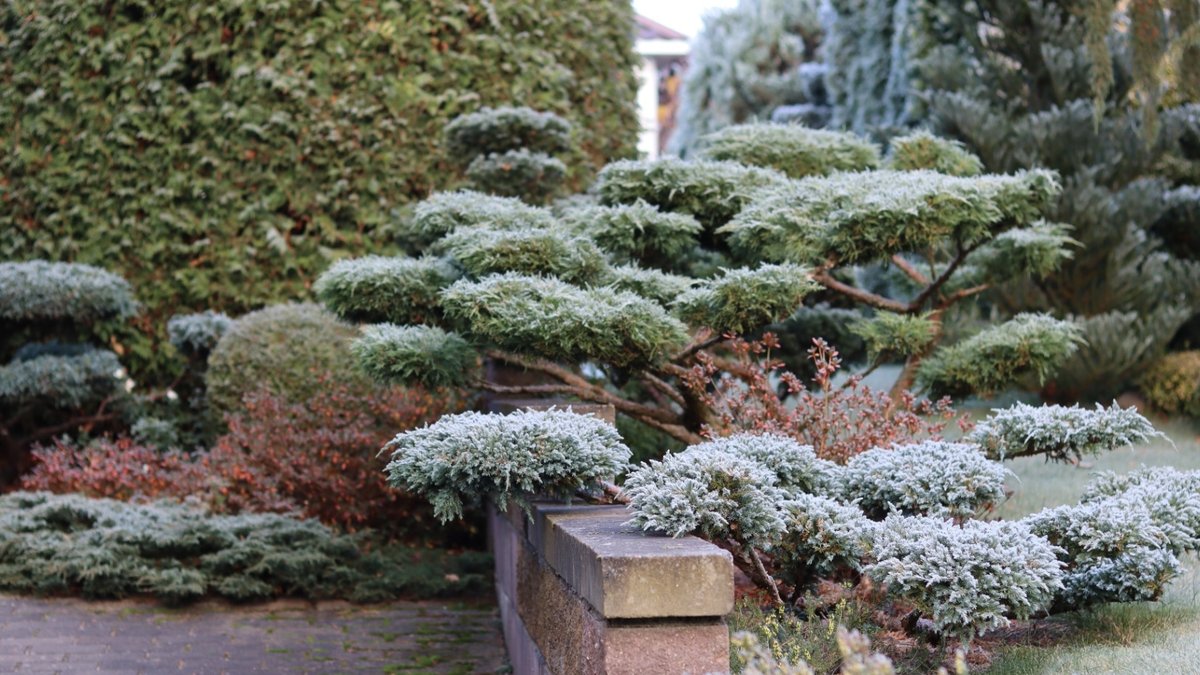
The urge to tidy up the garden in November makes sense. Autumn leaves clutter the ground, and many plants appear tired by then. However, pruning certain species this month can backfire. It may damage next year’s blooms, weaken plant structure, or leave them exposed to frost. The consequences go beyond appearance—delayed flowering, fungal infections, or even death of tender new growth can occur.
Prunus species—including damsons, gages, apricots, nectarines, peaches, cherries, and plums—top the list of plants to avoid cutting now. These trees and shrubs are highly vulnerable to silver leaf, a fungal disease that thrives in cool, damp conditions after pruning. Spores attach to fresh cuts and spread quickly, turning leaves metallic and killing branches. Bacterial canker follows the same pattern: pruning in November creates wounds that ooze sap and invite infection. The safest pruning window for these plants runs from June to August, when dry weather limits spore activity. For now, gardeners should only remove shrivelled fruit and clear fallen leaves from the base to prevent rot.
When to prune spring-flowering shrubs safely
Spring-flowering shrubs such as forsythia, lilac, weigela, flowering currant, and deutzia also depend on buds formed the previous summer. By November, next year’s blooms are already set within last year’s stems. Cutting them back now removes the framework needed for flowering. These shrubs should be pruned after blooming in April or May, allowing enough time for new shoots to develop and bear flowers the following season. A general guideline for established shrubs is to remove up to one-fifth of the oldest stems at the base each year. This maintains vigor without sacrificing next year’s display.
Hydrangeas present another risk if pruned in November. Mophead and lacecap varieties (Hydrangea macrophylla) form next year’s flower buds just beneath the current year’s faded blooms. Those spent heads provide natural insulation, shielding buds from frost. Removing them now eliminates that protection. The correct pruning time for these varieties is early to mid-spring, once frost risk has passed. Each flower head should be trimmed back to the first pair of healthy buds, and weaker stems should be thinned at the base to encourage fresh growth. Hydrangea paniculata and H. arborescens ‘Annabelle’ are exceptions; they flower on new wood and can be pruned more aggressively in late winter or early spring.
Lavender faces particular dangers from autumn pruning. New growth that appears after cutting is easily killed by frost, creating unsightly gaps. Unlike many shrubs, lavender does not regrow from old wood, so cutting into bare stems results in permanent damage. The best pruning time is late summer, immediately after flowering, typically in August. A light trim, about 3 centimeters off the top, preserves the plant’s dome shape without winter risks. A minimal tidy-up in April is acceptable, but November should be avoided entirely.
Why winter mess in gardens isn’t always bad
Some gardeners mistakenly assume untidy winter appearances justify pruning. However, ornamental grasses and seed-head perennials often provide the most structure during colder months. Their dried foliage and seed heads, frosted with ice, offer texture and attract wildlife. Deciduous grasses like panicum, calamagrostis, and miscanthus develop rich copper and bronze hues as they fade. These should be cut back in late winter or early March, just before new shoots appear, but never before, old foliage protects the crown from cold and wet. Evergreen grasses such as stipa, carex, and festuca only need dead leaves removed by hand; aggressive pruning can harm them.
Borderline-hardy perennials, including penstemons, salvias, and hardy fuchsias, also benefit from leaving old growth intact. The top growth insulates roots against freezing. Pruning should wait until mid-spring (April or early May), when new shoots emerge. If frost has already killed the tops of hardy fuchsias, they can be cut back to ground level; they will recover from the roots. Container-grown plants in unheated greenhouses gain extra protection during sharp temperature drops.
How to protect plants from November frost
November garden maintenance should focus on protection rather than pruning. Horticultural fleece and fleece plant jackets shield tender stems from hard frost. These lightweight fabrics trap heat without suffocating growth, making them ideal for lavender, borderline-hardy perennials, and young Prunus trees. Adding a second layer of straw mulch around shrub bases further insulates roots, reducing temperature stress. This combination is especially useful for container-grown plants, which are vulnerable to rapid cold snaps due to exposed sides.
Specialized winter protection products are widely available. Heavy-duty winter fleece, such as the 2-Pack Plant Fleece Frost Protection, provides durable coverage for larger plants. Strulch Straw Mulch offers a natural barrier against soil moisture loss. Both can be purchased from garden centers or online retailers. For time-saving solutions, pre-cut fleece wraps or plant jackets eliminate manual wrapping, though securing them tightly around stems remains essential to prevent wind damage. Pruning tools like ratchet secateurs, such as the Corona Ratchet Cut Branch and Stem Pruner from Burgon & Ball or the Wilkinson Sword Ratchet Anvil Pruners, should be winterized now. Blades must be cleaned, sharpened, and oiled with camellia oil to ensure readiness for spring tasks.
