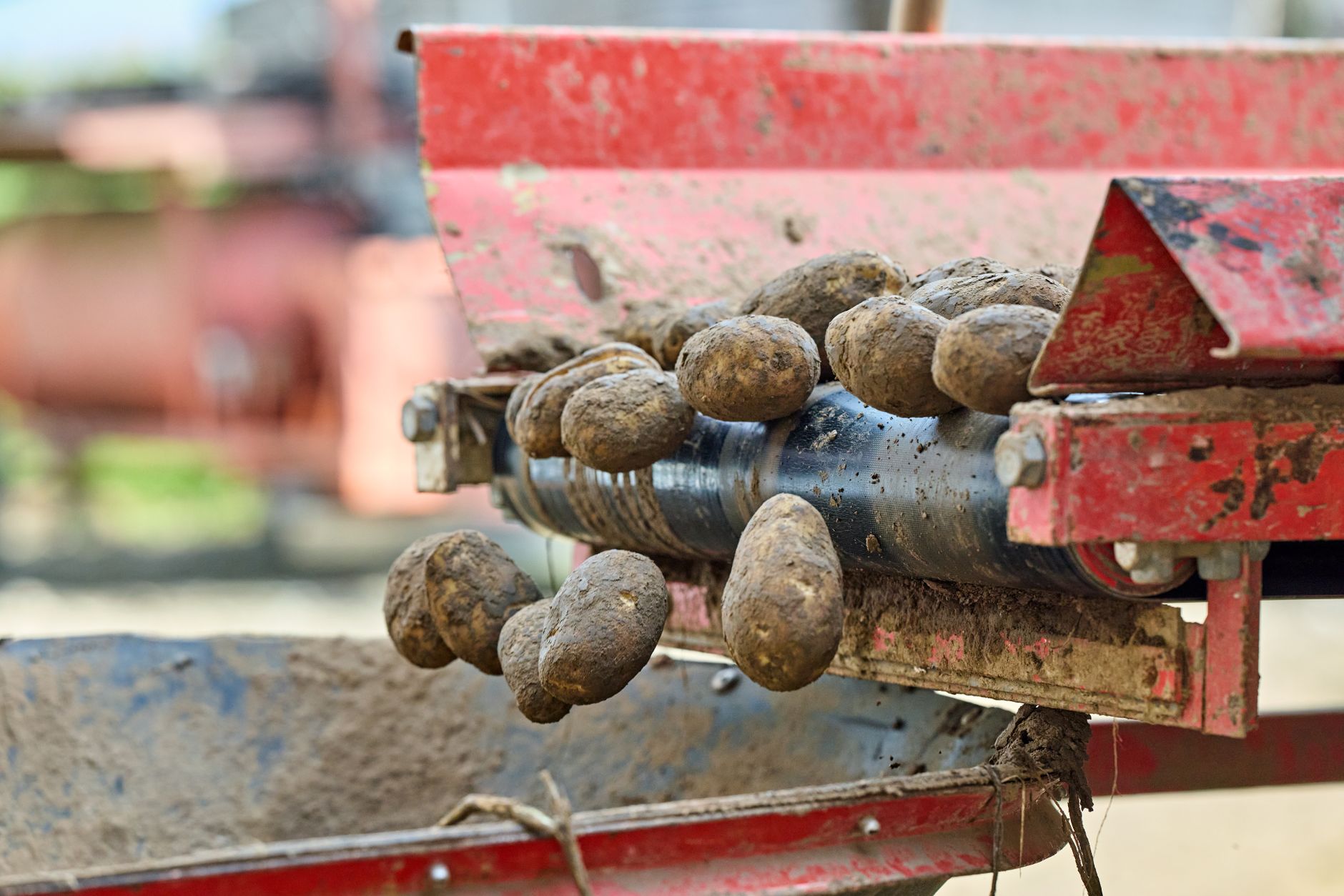
Growing your own potatoes can be simpler than it seems. Whether you have a backyard garden, raised beds, or even containers, these versatile vegetables thrive with the right care. With plenty of sunshine, well-draining soil, and consistent care, you can grow fresh potatoes perfect for everything from creamy mashed potatoes to crispy homemade fries. One of the most rewarding parts of growing potatoes is the harvest itself. Hidden beneath the soil, the tubers develop quietly until it’s time to dig them up—a process that’s both fun and satisfying.
Potatoes, known botanically as Solanum tuberosum and belonging to the nightshade family, require full sun and well-drained soil rich in organic matter. They grow as annuals in all USDA hardiness zones and originate from South America. But be cautious: the plants are toxic to pets, particularly the leaves and green parts of the plant.
Potatoes are typically grown from “seed potatoes,” which are just small tubers saved from previous crops. You can buy certified disease-free seed potatoes or use organic ones from your pantry that have started sprouting. Plant them in early spring. Cut larger seed potatoes into chunks with one or two “eyes,” the bumps where sprouts emerge. Allow the cut surfaces to callus over for a day or two to prevent rotting. Plant them three to four inches deep in rows or containers, spaced about 12 inches apart. As the plants grow, you’ll need to “hill” them by mounding soil or compost around the base of the plants to protect the developing tubers from sunlight. The green color on potatoes occurs when they are exposed to light. For this reason, avoid exposing potatoes to light during storage. Exposure to light causes the tubers to turn green and bitter, making them unsuitable for consumption.
Potatoes need plenty of sun, at least six to eight hours daily. A bright, open location is best to keep the plants vigorous and productive. The soil should be kept evenly moist but not soggy. Deep, thorough watering once or twice a week is usually enough, depending on your climate. Consistent moisture is especially important when the plants are flowering—that’s when the tubers are forming. While potatoes don’t like to sit in soggy soil, they also don’t tolerate drought. To ensure consistent growth, monitor the soil moisture regularly and adjust watering as needed. Overhead watering should be avoided to prevent fungal issues.
Loose, loamy soil is ideal for these crops. Potatoes need room to expand underground, so compacted or rocky soil can lead to oddly shaped tubers. If your soil is heavy clay, consider raised beds or large containers filled with compost-rich potting mix. This approach improves drainage and aeration, promoting healthier tubers. Raised beds also allow for better control over soil conditions, making it easier to maintain optimal growing conditions. Additionally, raised beds can be positioned to maximize sunlight exposure, further enhancing plant growth.
Potatoes are hungry plants, requiring a nutrient-rich environment to thrive. Mix compost or a balanced fertilizer into the soil when planting, and feed again halfway through the growing season if your soil is light or sandy. This practice ensures that the plants have access to the necessary nutrients throughout their growth cycle. Compost adds organic matter, improving soil structure and fertility, while balanced fertilizers provide essential nutrients like nitrogen, phosphorus, and potassium. By incorporating these amendments, you support robust plant growth and higher yields.
Keep an eye out for pests like Colorado potato beetles, aphids, and flea beetles. Hand-picking pests and using floating row covers can help. Fungal issues, such as early or late blight, can occur in wet, humid conditions. To prevent this, avoid overhead watering and rotate your crop yearly to prevent these diseases. Early blight typically appears as brown spots with concentric rings on the leaves, while late blight causes water-soaked lesions that turn brown and can spread rapidly. Rotating crops ensures that the soil does not become depleted of nutrients and reduces the risk of disease buildup. By planting potatoes in a different location each year, you break the lifecycle of pests and diseases, promoting healthier plants and better yields.
You can start harvesting “new potatoes” about two to three weeks after the plants flower. These are small, tender, and perfect for steaming or roasting. For full-size spuds, wait until the foliage dies back completely, typically around 90 to 120 days after planting. Use a garden fork or your hands to gently dig around the base of the plant. Be careful not to stab the potatoes. Let them sit out for a few hours to dry off, then store them in a cool, dark, well-ventilated place. Don’t wash them before storing—just brush off the excess soil and save the rinsing for when you’re ready to cook. This method allows the potatoes to cure, thickening their skins and improving storage life. By curing, the potatoes develop a tougher skin that protects them from bruising and disease during storage.
The growing season is relatively short. Growing potatoes at home can be a rewarding experience. Fresh potatoes offer a taste that store-bought potatoes simply can’t match. The flavor and texture of homegrown potatoes are superior due to their freshness and the absence of preservatives. Additionally, growing your own potatoes allows you to choose from a variety of types, each with unique characteristics and culinary uses.
Some popular potato types include Yukon Gold, Red Norland, Russet Burbank, and Purple Majesty. Each variety offers unique characteristics and culinary uses. Yukon Gold potatoes are known for their buttery flavor and yellow flesh, making them great for roasting, boiling, or mashing. Red Norland potatoes are early-season varieties with creamy white flesh, perfect for new potatoes. Russet Burbank potatoes are classic baking potatoes, with fluffy, dry flesh that is ideal for fries and mashed potatoes. Purple Majesty potatoes have eye-catching purple skin and flesh, high in antioxidants and flavor, adding a lively touch to dishes.
Related: Vibrant Colors Define Nashville Home Design
Related: Inflatable nightclub is Prime Day’s biggest surprise
