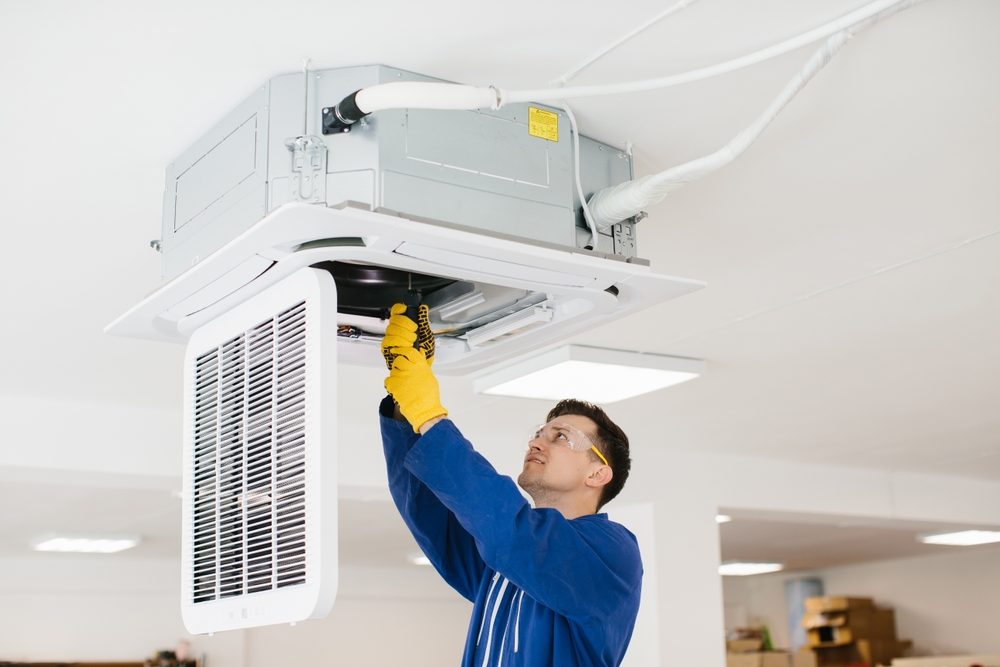
Fine airborne particles often pass unnoticed through living spaces until occupants experience persistent dust or unusual indoor allergy symptoms. Indoor air quality drops rapidly as microscopic soot, pet dander, and combustion residue accumulate along internal metal ductwork. Professional ventilation sanitation targets these tiny pollutants before circulating fan blades push them back across residential bedrooms.
What Microscopic Particulates Actually Settle Inside Household Vent Lines?
Tiny particles known as PM2.5 measure less than two point five micrometers across, making them light enough to float endlessly through home air. Microscopic soot from nearby traffic, fireplaces, and cooking oils drifts into supply trunks over months of continuous heating cycles. Dust mites, mold spores, and dried pet saliva mix with this greasy airborne grime to form sticky layers on interior sheet metal walls.
Static electricity generated by high velocity airflow holds these lightweight contaminants against smooth metal surfaces inside ductwork. Temperature shifts cause condensation drops to trap passing particles, cementing debris along hidden corners and turning vanes. Heavy buildup eventually chokes airflow branches, forcing air handlers to run longer while distributing fine debris through floor vents.
Homeowners searching for HVAC cleaning near me frequently discover that invisible particulate buildup causes chronic indoor air problems. Lingering microscopic dust remains trapped deep inside distribution lines without deep mechanical intervention to break the surface bond. Specialized tools dislodge fine particulates so powerful vacuum suction can carry them out of the house completely.
Why Standard Home Filters Fail to Stop PM2.5 Contaminants
Basic fiberglass furnace filters only catch large carpet fibers, pet hair, and coarse dirt clogs before air reaches the blower motor. Ultrafine PM2.5 particles slip effortlessly through loose filter weaves and travel straight into primary heating compartments. Gaps around filter frames allow untreated room air to bypass filtration altogether during intense cooling cycles.
High-MERV pleated filters capture smaller particles but restrict volumetric airflow, placing extreme mechanical strain on circulating fans. Restricting airflow drops cooling efficiency while causing indoor evaporator coils to freeze up during humid summer afternoons. Trapped moisture inside frozen coils creates ideal breeding conditions for mold spores, adding more contaminants to circulating air.
Regular filter replacement helps protect mechanical components, yet it cannot remove existing particulate layers coated along duct interiors. Periodic HVAC cleaning cleans out accumulated microscopic dust that bypasses standard intake screens over years of operation. Removing settled grime restores peak airflow rates without forcing HVAC equipment to pull against restricted filter media.
How Negative Pressure and Agitation Extract Microscopic Dust
High-volume collection vacuums pull air backward through supply trunks, creating powerful negative pressure inside the entire ventilation system. Negative airflow prevents dislodged PM2.5 particles from escaping into living rooms while technicians scrub internal metal channels. Sealed access ports keep captured debris moving directly into external containment hoppers parked outside the residence.
Rotary brushes equipped with soft whip tendrils spin through main trunks to knock microscopic dust free from metal walls. Compressed air nozzles blast high-pressure air bursts into tight corners, flushing hidden particles out of turning vanes and junctions. Combined mechanical agitation and continuous suction strip stubborn particulate films without scratching delicate internal sheet metal.
Thorough HVAC cleaning in Brentwood TN relies on these paired physical extraction methods to ensure microscopic contaminants vanish completely. Controlled vacuum pressure protects aging duct seams while extracting fine soot from return air boxes and blower compartments. Safe extraction guarantees that clean, particle-free air returns to bedrooms once technicians complete the sanitation job.
Do Fine Particles Threaten Daily Indoor Breathing Safety?
Inhaled fine particulate matter bypasses upper respiratory filters, penetrating deep into sensitive lung tissue and bloodstream pathways. Vulnerable family members with asthma or seasonal allergies experience heightened respiratory irritation when circulating air carries heavy particle loads. Prolonged exposure to airborne soot and mold fragments can provoke persistent coughing, eye irritation, and restless sleep patterns.
Mold colonies growing inside damp duct lining shed millions of microscopic spores into passing air streams every hour. Bacteria and pet allergens attach to fine dust particles, riding airflow currents directly into kitchens, nurseries, and home offices. Eliminating these microscopic reservoirs removes active triggers that compromise daily indoor health and comfort for residents.
Clean ventilation pathways maintain low particle counts across every room, creating a healthier living space for growing families. Fresh indoor air reduces reliance on portable room purifiers while keeping furniture surfaces cleaner for longer periods. Investing in comprehensive particulate removal protects both health and residential property values over extended timeframes.
Ensuring Total Air Duct Sanitation and Particulate Control
Advanced laser particle counters measure microscopic air debris before and after service to confirm that particulate counts dropped significantly. Visual camera inspections verify that interior metal channels show bare metal clarity rather than dull gray dust coatings. Objective air quality testing offers complete peace of mind that hidden respiratory threats have been successfully eradicated.
Environmental Protection Agency registered sanitizing treatments neutralize lingering organic growth along damp coil fins and drip pans. Non-toxic antimicrobial sprays prevent fresh mold spores from settling on scrubbed duct surfaces during humid summer months. Proper chemical application keeps ventilation infrastructure hygienic without leaving harsh chemical smells or artificial fumes behind.
Residents seeking verified particulate reduction can trust experienced local professionals who follow strict industry safety protocols every step. Maintaining clean air ducts extends equipment lifespan while keeping energy consumption manageable during peak winter and summer weather. For homeowners wanting expert care and complete particle removal, Mr. B’s Air Duct Cleaning offers comprehensive service to restore pure, healthy air throughout your property.
