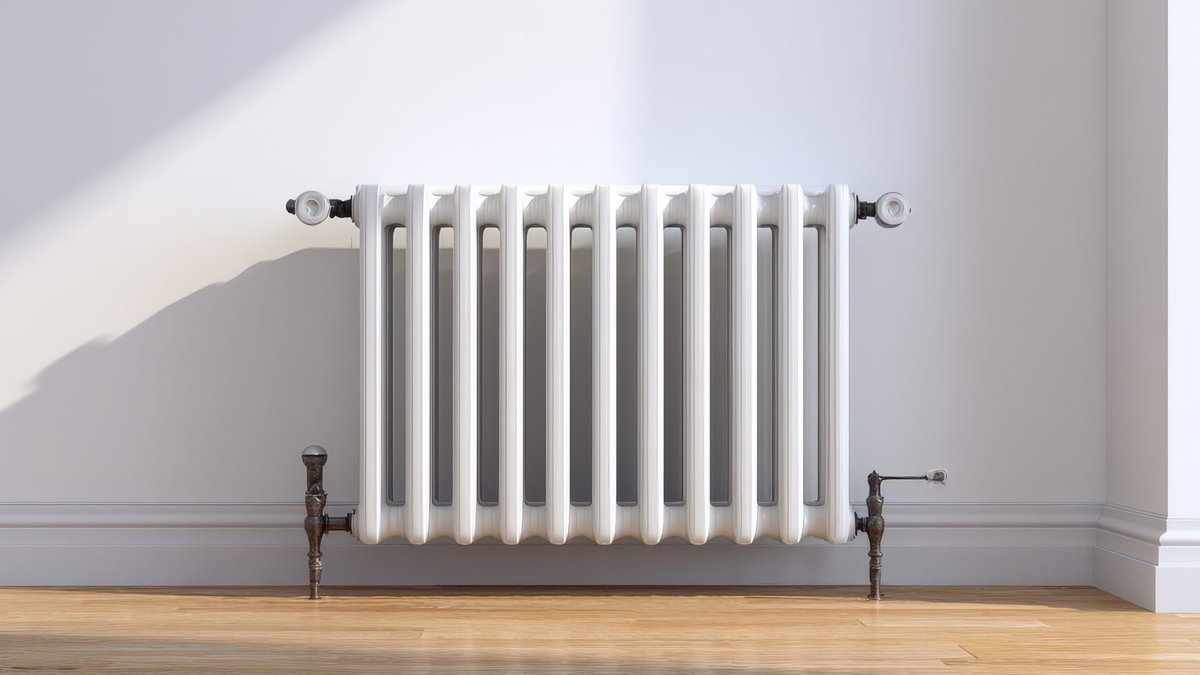
The cost of installing a baseboard radiator varies widely, typically ranging from $200 to $1,200 per unit, depending on factors like size, heating type, and labor expenses. Electric models are the most budget-friendly upfront, costing between $50 and $130 per unit, while hydronic systems start at $180 to $320. Installation time also differs: electric units take two to three hours of labor, whereas hydronic units require three to four hours. These systems operate as low-profile, zoned heating units that eliminate the need for ductwork, making them ideal for homes without existing HVAC infrastructure.
They operate quietly and demand minimal upkeep, though they cannot provide cooling. The primary drawback lies in their long-term energy consumption, particularly with electric models, which cycle on and off more frequently than hydronic systems that rely on hot water or oil. Mitch Rosa, owner of Hudson Valley HVAC in New York, says, “People tend to ignore them, but baseboard radiators are one of the most effective ways to heat a home.” He adds, “But, they use up a lot of space and homeowners don’t always like to lose that.” The balance between space efficiency and heating performance depends on a home’s layout and local climate.
Costs fluctuate based on the heating type selected. Electric radiators require only an existing electrical connection, simplifying installation. Hydronic models, however, need plumbing and a boiler, which can complicate the process. For a 200-square-foot room with good insulation, 8 linear feet of electric radiator or 12 linear feet of hydronic may be needed to maintain consistent warmth. Larger homes or poorly insulated spaces will need additional units, increasing both upfront and operational costs. Labor rates average $75 to $150 per hour, though prices rise in high-cost areas or for complex installations.
Older homes often present extra challenges, such as limited access or outdated wiring. Reusing existing infrastructure—like electrical circuits or plumbing—can reduce costs, but improper setup may void warranties or create safety hazards. Rosa advises against DIY attempts, especially with hydronic systems. Replacing existing units costs less than full installations, averaging $250 to $400 per unit when no new infrastructure is needed. Converting from forced-air systems, however, requires significant upgrades, including boiler installation for hydronic setups.
Hydronic systems, despite their higher initial cost, offer better long-term energy efficiency. Liquid-based heat transfer reduces system activation frequency, lowering utility bills. Electric models, while cheaper to install, may cost more to operate in cold climates. The choice between the two depends on budget, home size, and heating needs over time. To cut expenses, homeowners can replace only essential units, bundle purchases for discounts, or schedule installations during offseason when contractors offer lower rates. Federal and state rebates may also apply, particularly for energy-efficient models.
Rosa recommends keeping radiators clear of furniture and avoiding boiler placement near laundry rooms to prevent clogs. Proper spacing ensures optimal heat distribution without overworking the system. The decision to install baseboard radiators depends on balancing upfront savings with long-term energy use. For homes without ductwork or in older buildings, they remain a practical alternative to central HVAC. However, their efficiency requires careful planning, undersized units strain the system, while oversized ones waste energy. A professional assessment can determine the best configuration for a home’s specific needs. However, conversions from forced-air systems or other heating types demand significant upgrades.
Installing hydronic radiators may require a new boiler, costing $3,000 to $7,500 depending on size and efficiency. Electric conversions are simpler but still need dedicated circuits, potentially adding $500 to $1,500 in electrical work. Safety and efficiency hinge on proper setup. Hydronic systems require precise boiler integration and venting to meet building codes, while electric models must be wired correctly to avoid circuit overloads. Rosa warns that improper installations void warranties and pose fire or carbon monoxide risks, especially with hydronic setups. Homeowners can reduce expenses through strategic planning.
Bundling multiple units or combining purchases with other HVAC upgrades may qualify for volume discounts. Offseason installations, typically between September and April, offer lower contractor rates due to reduced demand. Federal and state rebates, accessible via the Database of State Incentives for Renewables & Efficiency (DSIRE), may cover $50 to $500 per unit for energy-efficient models, though eligibility varies by location. The final choice depends on weighing immediate savings against long-term performance. Electric radiators provide upfront affordability but higher operational costs, while hydronic systems deliver efficiency at a greater initial investment.
