A heat pump’s defrost mode is a temporary reversal of the heating cycle, switching to cooling mode to warm the outdoor coil and melt any accumulated frost. This mode is essential for maintaining the heat pump’s efficiency and preventing damage from frost buildup.
The defrost cycle typically lasts between five and 15 minutes, with longer or continual cycles indicating potential problems. Homeowners should pay attention to changes in their heat pump’s operation, such as unusual noises, a lack of warm air, or a frozen outdoor unit.
How Defrost Mode Works
Defrost mode is an automatic, built-in feature that temporarily reverses the standard heating cycle to melt frost on the outdoor coils. By blowing cool air, the outdoor coils heat up, melting the frost and allowing the heat pump to continue operating efficiently.
Danny Pen, president at New Era Plumbing & HVAC, states that even when it’s cold outside, a heat pump extracts heat from the outdoor air to warm a home. When the weather is damp and extremely cold, moisture in the air collects on the outdoor coils and freezes. Frost on the coils is a completely normal occurrence for a heat pump in winter, and defrost mode turns on automatically to melt that frost and keep the system running.
During the defrost cycle, the heat pump warms the outdoor coil to melt accumulated ice, which often turns to water and then evaporates, creating visible steam rising from the unit. This is a normal indication that the system is working properly.
Potential Problems with Defrost Mode
While defrost mode is usually harmless, it can cause problems if it runs too long, too often, or fails to turn on. Homeowners should be aware of signs that may indicate a problem, such as the system blowing cold air for extended periods, unusually loud hissing or clicking noises, or the outdoor unit being frozen solid with no signs of melting.
Defrost mode typically lasts between five and 15 minutes, with cycles occurring every 30 to 90 minutes during frigid periods. However, if the heat pump system is continually in defrost mode or covered in ice despite entering defrost mode, it may indicate a malfunction, and homeowners should contact an HVAC professional immediately.
As the heat pump operates, it’s essential to monitor its performance and address any issues promptly to prevent minor problems from becoming major ones. By doing so, homeowners can ensure their heat pump continues to operate efficiently and effectively, providing a comfortable indoor temperature while minimizing potential risks.
Preventing defrost cycle problems can be achieved by clearing the outdoor unit of leaves, snow, and debris, and scheduling annual maintenance to check sensors, refrigerant, and coil cleanliness. Homeowners can also consider cold-climate upgrades, such as dual-fuel systems or better controls, to keep their heat pump working efficiently in freezing temperatures.
Maintenance and Repair
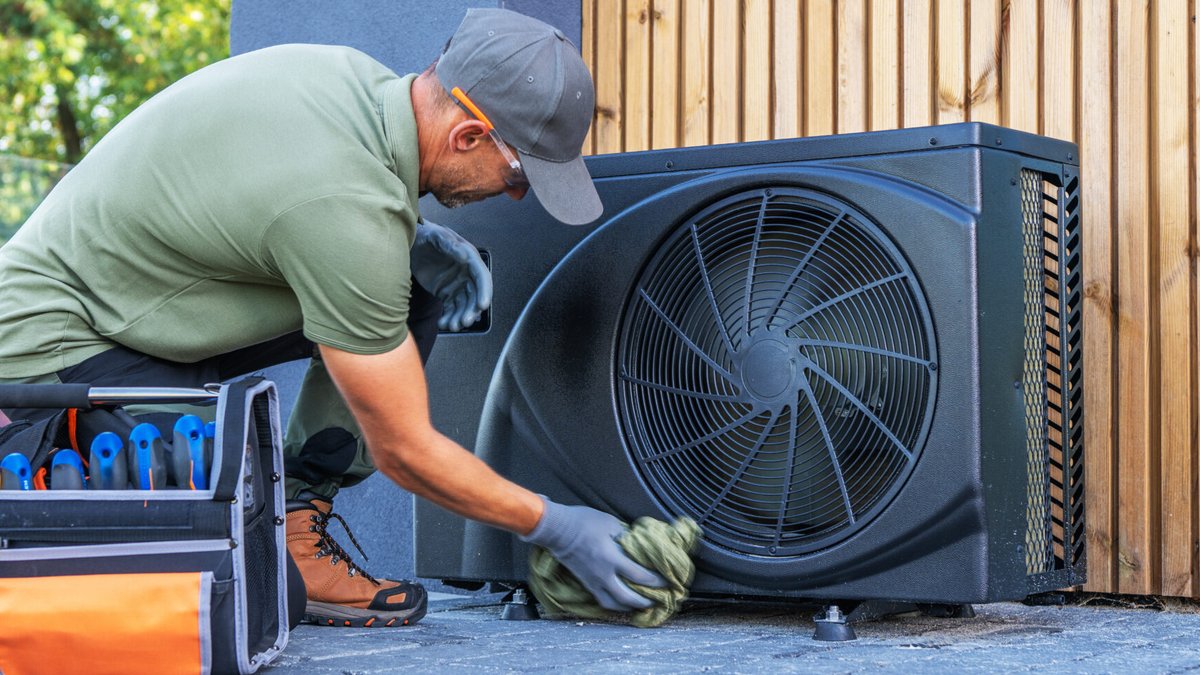
To prevent problems with a heat pump’s defrost cycle, start by clearing the outdoor unit of leaves, snow, and debris. Do not cover the heat pump in the winter, as this prevents proper airflow for heat extraction. Schedule annual maintenance to check sensors, refrigerant, and coil cleanliness.
Any unusual behavior means that a professional should be contacted for the family’s comfort and safety. An HVAC technician can inspect the sensors, coils, and refrigerant levels. Taking care of a minor problem now can save a lot of frustration and money down the line, so do not wait to call in a professional. The cost of a new heat pump system, including installation, old furnace removal, and labor, can range from $4,000 to $7,000.
