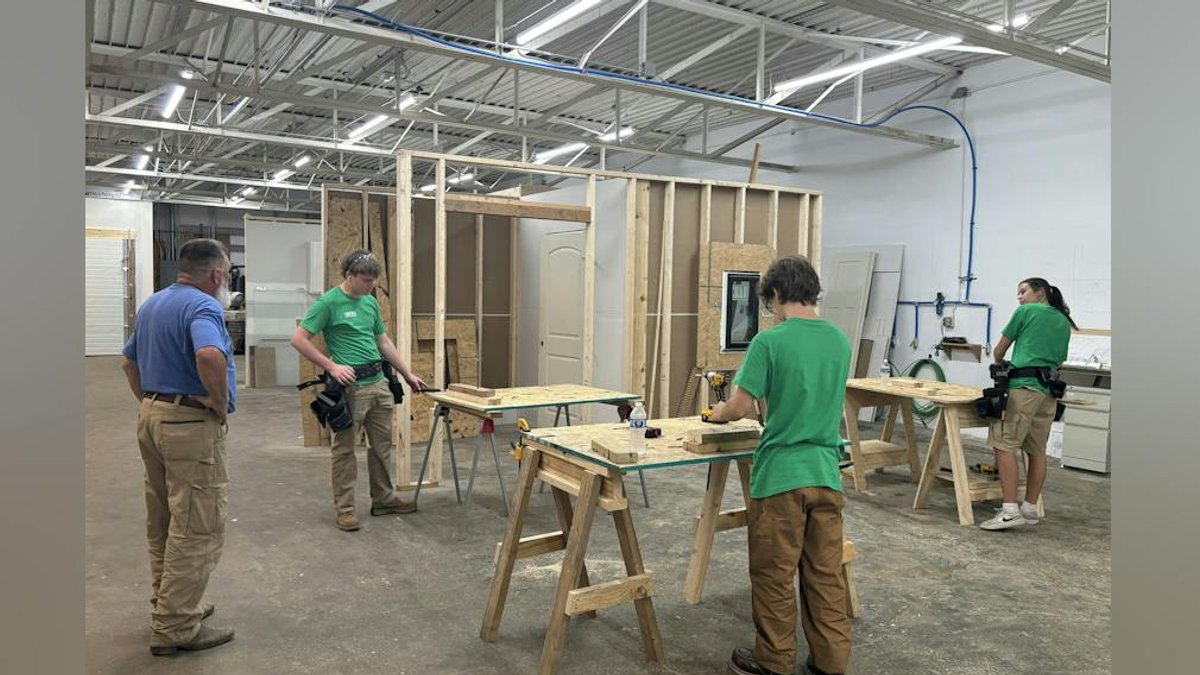
The residential construction industry is facing a significant shortage of skilled tradespeople, according to the National Association of Home Builders. The National Association for the Remodeling Industry lists a need for 454,000 additional skilled tradespeople on its workforce development page. To address this issue, Mosby Building Arts, a design-build firm, has launched the Mosby Remodeling Academy, a three-and-a-half-year paid apprenticeship program that combines classroom instruction with hands-on training in the field.
The program was envisioned by Mark McClanahan, Mosby CEO, as a way to address the shortage of skilled workers. The curriculum was designed and developed by Tom Harland, a former public-school teacher who is now the field development manager at Mosby. The academy’s goal is to develop apprentices into skilled tradespeople who can perform most tasks on a typical remodeling project with little guidance.
Program Structure
The apprenticeship program starts with two weeks of onboarding, where apprentices learn about safety, tools, and job site awareness. They then attend monthly coursework sessions, where they learn specific skills such as framing, basic trim work, and cabinet installation. The apprentices are also assigned a mentor who works with them on job sites and provides feedback on their progress.
The program is designed to be broad, covering a range of skills, and then becoming more specialized as the apprentices progress. Apprentices learn tools and safety, job site awareness, client communication, and job site cleanup, along with technical skills. The last six months of the program are focused on integrating their skills and filling in any gaps in their knowledge.
Apprentices are evaluated through in-person hands-on courses, where they are assessed on their skills, and through feedback from their mentors. They also complete online coursework and testing. The program is aimed at high schoolers leaving high school, and Mosby intends to develop relationships with high schools in the area to recruit apprentices.
Funding Model and Recruitment Strategy for Mosby Remodeling Academy
In 2024, Mosby’s management team completed its biennial strategic planning session and produced a forward-looking document known as Mosby 2030. The paper outlined a target of $50 million in revenue, a workforce of 239 employees, and a portfolio of new product offerings. Among the stated initiatives was an apprenticeship program designed to place a dozen new apprentices into the company each year. The Remodeling Academy was launched as a concrete step toward achieving the Mosby 2030 vision.
Mosby repurposed its former 4,000-square-foot warehouse into a classroom space equipped with training vignettes for hands-on instruction. Recruitment efforts have included local high-school job fairs and company-wide outreach through social-media channels. Company leaders acknowledge an industry-wide skilled-labor shortage and view the apprenticeship pipeline as a means to mitigate that gap.
Selection Process
The inaugural class consists of three apprentices, including one woman, who will work on different job sites with different mentors. The selection process involved an interview and an assessment of the applicants’ math skills. The company is looking for apprentices who are committed to starting a career in the skilled trades and have the grit to stick with the program.
According to Tom Harland, the program is going well so far, with the apprentices showing a high level of comfort and confidence on the job sites. The mentors have reported positive feedback, and the apprentices are on track to meet their goals. Mosby plans to rotate the apprentices through different mentors and job sites every few months to give them a broad range of experiences.
