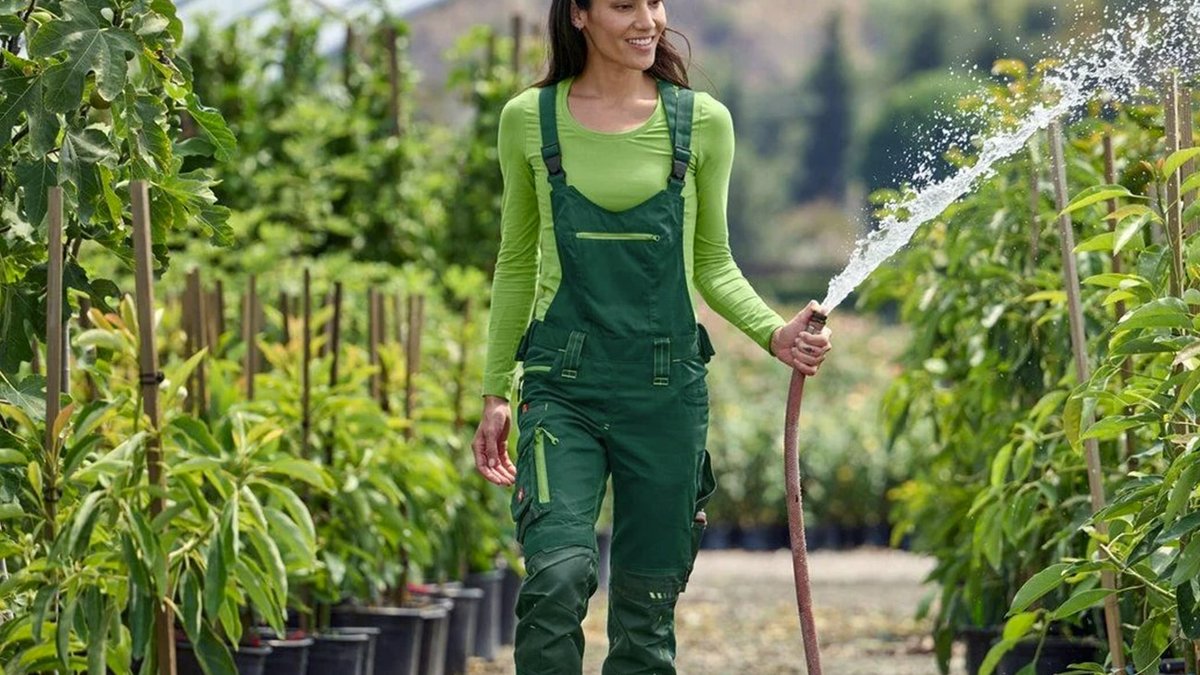
Garden work often turns messy, especially during peak planting season, prompting many hobbyists to seek durable clothing that shields them from soil, compost and plant sap.
Benefits of a bib-and-brace design
The bib component blocks debris from the torso, while integrated pockets keep tools within easy reach. Strauss markets a range featuring 19 styles across several collections, offering options from lightweight cotton canvas to insulated winter versions.
Common challenges include abrasion, dampness and sticky sap, which can be aggravated by restrictive jackets and trousers that hinder pruning and weeding. They can make it difficult for gardeners to move freely.
Choosing the right garment depends on the task. Planting in wet soil calls for moisture barriers, whereas pruning thorny shrubs benefits from added coverage around the arms and hands.
Read Also: Study: 59% of UK Drivers Let Dogs Ride Freely
During hot days, breathable fabrics help when gardeners spend long periods bending, lifting or carrying loads. This is because breathable fabrics allow for better airflow and can help keep gardeners cool.
The RHS advises waterproof gloves over absorbent ones for damp conditions. Extended-cuff gauntlets protect against thorny stems, boots with a protective toecap shield feet when using spades, and eye protection is essential with hedge trimmers or strimmers.
Private gardeners are not bound by the HSE workplace PPE regulations, so the focus is on practicality—reducing clothing damage, preventing minor injuries and avoiding unnecessary delays. The HSE regulations are in place to protect workers, but private gardeners must take their own precautions.
When applying plant protection chemicals, users must follow any PPE requirements listed on the product label, regardless of whether the work is professional or personal. It is essential to follow these requirements to ensure safety.
