
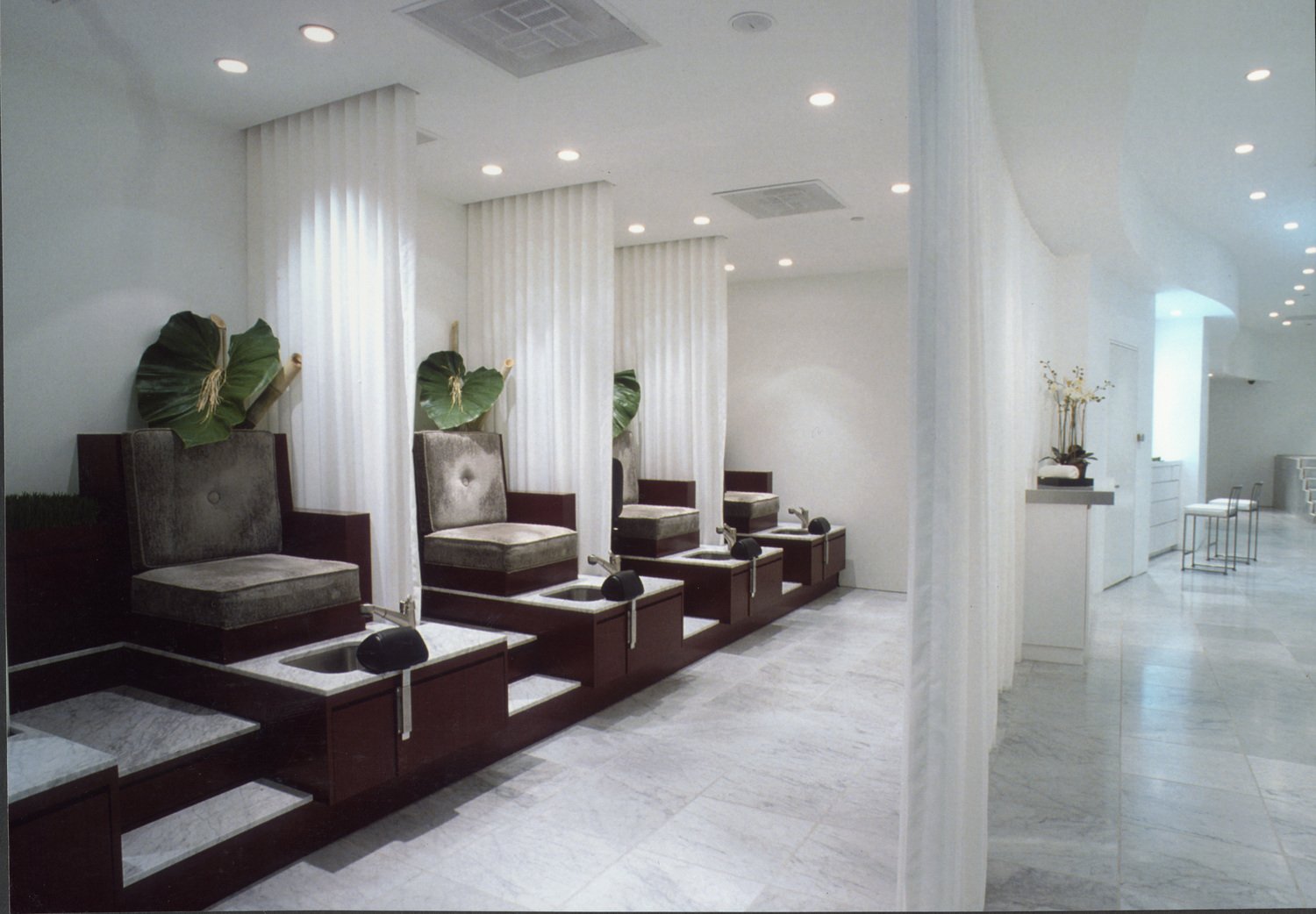
When it comes to creating a truly restorative experience, spa interior design plays a pivotal role. The design of a spa is more than aesthetics—it sets the tone for relaxation, influences mood, and directly impacts guests’ overall wellness. From the first step through the entrance to the final moments in a treatment room, every design element—from lighting and color schemes to materials and spatial layout—contributes to how guests feel physically, emotionally, and psychologically. A well-designed spa doesn’t just look inviting; it creates an environment that encourages guests to unwind, rejuvenate, and fully embrace wellness.
First Impressions: Crafting a Calming Welcome
The first point of contact for any guest is the reception and entrance area. Thoughtful spa interior design ensures this space conveys calmness and tranquility from the moment you enter, creating a mental shift from the stress of daily life into a restorative environment. Elements such as natural textures, soft lighting, and an intuitive layout help guests feel relaxed from the moment they arrive. This initial impression is crucial because it sets expectations for the entire spa experience, signaling that the spa is a sanctuary for wellness.
Biophilic Design: Bringing Nature Indoors
A key trend in modern spa interiors is biophilic design, which integrates natural elements such as plants, water features, and organic materials like wood and stone. Studies show that environments incorporating nature can reduce stress, improve mood, and enhance overall cognitive function. Large windows that invite natural light and offer garden views strengthen the connection with the outdoors, allowing guests to feel grounded and serene. Using living plants also improves air quality and adds a comforting visual softness, enhancing the perception of wellness.
Color and Lighting: Subtle Influences on Mood
Color psychology and lighting are powerful tools in spa interior design. Soft, neutral tones like blues, greens, and beiges are commonly used because they evoke calm, comfort, and balance. Lighting complements these colors by creating a soothing atmosphere; indirect or diffused light helps lower heart rate, reduce tension, and foster relaxation. Together, color and light create an environment that encourages mindfulness and allows guests to feel fully present in the spa experience.
Engaging the Senses: A Multi-Dimensional Approach
Exceptional spa interior design engages multiple senses beyond the visual. Soundscapes, scent, and tactile elements all contribute to a fully immersive wellness experience. Soft background music or nature sounds mask external noise, while carefully selected aromatherapy scents, like lavender or eucalyptus, promote relaxation. Textures also play a role—plush robes, soft towels, and natural materials like stone and wood add to the tactile comfort, enhancing the overall sense of indulgence and well-being.
Layout and Flow: Seamless Movement Enhances Comfort
Practical considerations in spa design, such as layout and flow, significantly impact guest comfort. Well-organized spaces ensure smooth transitions between reception areas, treatment rooms, and relaxation lounges, minimizing stress and confusion. Clear pathways, private zones, and intuitive wayfinding protect guest privacy and create a sense of ease. Efficient spatial design also benefits staff, enabling them to deliver services seamlessly and, in turn, enhancing the overall guest experience.
Sustainability and Modern Wellness Perception
Many spas now incorporate sustainable, eco-friendly materials into their interiors, including reclaimed wood, recycled tiles, low-VOC paints, and energy-efficient lighting. Beyond environmental benefits, these choices enhance guests’ perceptions of health, cleanliness, and mindfulness. Sustainable design communicates that the spa values holistic wellness, aligning physical treatments with environmental consciousness.
Conclusion: Design as a Wellness Experience
Ultimately, spa interior design is not just about creating visually appealing spaces—it is a critical tool for promoting guest wellness. From natural materials and soothing colors to thoughtful lighting and sensory experiences, well-designed spas provide an environment that nurtures both body and mind. When every element is carefully considered, a spa becomes more than a place for treatments; it transforms into a sanctuary that leaves guests refreshed, relaxed, and fully immersed in wellness.